
Electrophysiology

PMC provides expert cardiac care through comprehensive electrophysiology services.

  Find a Electrophysiology Provider

PMC Electrophysiology

Advanced Care for Heart Rhythm Disorders

Pinehurst Medical Clinic (PMC) Electrophysiology provides advanced, specialized care for patients with heart rhythm disorders (arrhythmias). Patient services are provided under agreement with FirstHealth. Our program treats more than 5,000 patients with atrial fibrillation (AFib) each year—one of the most common cardiac electrical conditions—making PMC a trusted regional leader in electrophysiology care.

Our team of board-certified cardiac electrophysiologists and experienced nurse practitioners utilizes state-of-the-art technology and advanced techniques to diagnose and treat complex heart rhythm conditions. From comprehensive diagnostic evaluations to minimally invasive procedures such as catheter ablation, pacemaker implantation, and implantable defibrillator therapy, we deliver personalized care designed to restore normal heart rhythm and improve overall cardiovascular health. We also offer remote monitoring for implanted cardiac devices, ensuring continuous, convenient follow-up care.

At PMC, we are committed to delivering expert, patient-centered care—because when it comes to heart health, every beat matters.


Electrophysiology Conditions

Our electrophysiology specialists diagnose and treat a full range of cardiac arrhythmias, including:

  • Atrial Fibrillation (AFib)
  • Supraventricular Tachycardia (SVT)
  • Ventricular Tachycardia (VT)
  • Ventricular Fibrillation (VF)
  • Bradyarrhythmias (Slow Heart Rhythms / Heart Block)
  • Premature Beats (PACs & PVCs)

Electrophysiology Treatments & Services

We offer advanced diagnostic and interventional electrophysiology services tailored to each patient’s condition:

  • Electrophysiology Consultations
    Comprehensive evaluations to assess symptoms and develop personalized treatment plans.
  • Diagnostic Electrophysiology Studies (EP Studies)
    Advanced testing to map the heart’s electrical system and identify abnormal rhythms.
  • Radiofrequency Catheter Ablation
    Minimally invasive treatment for arrhythmias, including supraventricular and ventricular tachycardias, as well as left-sided (transeptal) procedures.
  • Pacemaker Implantation & Follow-Up
    Device placement and long-term management for patients with slow or irregular heart rhythms.
  • Implantable Cardioverter Defibrillator (ICD) Implantation & Monitoring
    Life-saving devices that detect and treat dangerous arrhythmias.
  • Implantable Loop Recorder (ILR) Placement & Monitoring
    Long-term cardiac monitoring for patients with unexplained symptoms or intermittent arrhythmias.
  • Pacemaker & ICD Lead Extraction
    Specialized procedures to safely remove or replace device leads when necessary.
  • Holter Monitoring
    Continuous short-term monitoring to evaluate heart rhythm over 24–48 hours or longer.
  • Event & Loop Recorders
    Extended monitoring solutions designed to capture infrequent or intermittent arrhythmias.
  • Remote Device Monitoring
    Ongoing, convenient monitoring of implanted cardiac devices to support proactive and timely care.

Our electrophysiology team is dedicated to delivering precise diagnoses, advanced treatments, and ongoing support—helping patients live healthier lives with confidence in their heart rhythm care.


Electrophysiology Locations

PMC provides electrophysiology treatements and services at our Pinehurst Medical Clinic East location in Pinehurst, NC.

Electrophysiology Providers

Our board-certified cardiac electrophysiology providers manage a variety of heartbeat diagnostic, care & monitoring services.

Ker Boyce, MD, FACC, FACP
Electrophysiology
View Info
Laura Kauffman, NP
Laura Kauffman, NP
Electrophysiology
View Info
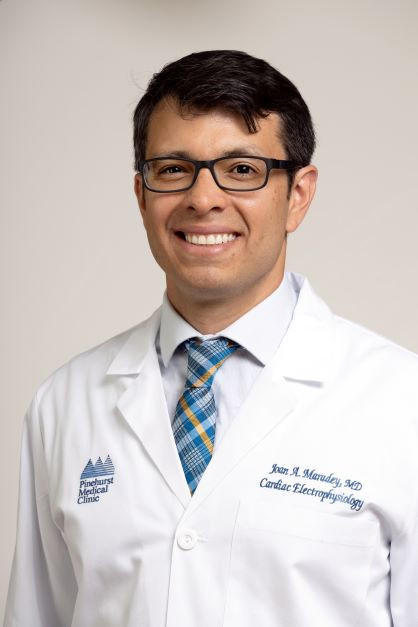
Joan Maradey, MD
Joan Maradey, MD
Electrophysiology
View Info
Brandon Williams, MD, FACC, FACP
Electrophysiology
View Info

Electrophysiology Posts from Our News & Media Center
May
14
Pinehurst Medical Clinic, Inc Earns Echocardiography Reaccreditation by IAC

Pinehurst Medical Clinic, Inc Earns Echocardiography Reaccreditation by IAC

Read More
Jan
30
Heart rhythm Pinehurst

You may have been told you don’t have the best rhythm; however, everyone has one form – in their hearts. Similar to moving to the beat of your favorite song, your heart might also have rhythm abnormalities. That’s where an electrophysiologist, like a dance teacher, can help get your rhythm back on track.

Read More

Electrophysiology Frequently Asked Questions

What is Electrophysiology (EP) and How Does it Relate to Cardiac Care?

Electrophysiology (EP) is a specialized area of cardiology focused on diagnosing and treating heart rhythm disorders (arrhythmias). Using advanced technology, electrophysiologists at Pinehurst Medical Center study the electrical activity of the heart to identify abnormalities and develop personalized treatment plans, which may include medication, catheter ablation, or implantation of devices like pacemakers and defibrillators.

Why Might I Need Electrophysiology Testing?


You may need electrophysiology testing if you experience symptoms such as:

  • Irregular heartbeats (arrhythmias)
  • Palpitations or dizziness
  • Fainting or near-fainting episodes
  • Shortness of breath or chest discomfort
  • A known history of heart disease or atrial fibrillation (AFib)

EP tests allow our cardiologists to assess your heart's electrical signals and identify the root cause of your symptoms, enabling more precise treatment.

What Happens During an Electrophysiology Study (EPS)?

An Electrophysiology Study (EPS) is a minimally invasive procedure where your electrophysiologist inserts catheters through blood vessels to access the heart. The catheters measure electrical signals, mapping your heart’s rhythm and pinpointing areas that may be causing abnormal rhythms. This test can last from 1 to 3 hours, depending on the complexity of your condition.

Are Electrophysiology Procedures Safe?

Yes, electrophysiology procedures are generally safe when performed by our experienced cardiac team. Our electrophysiologists at Pinehurst Medical Center are trained in the latest techniques and use advanced technology to minimize risk. As with any medical procedure, there are some risks, but we take all necessary precautions to ensure your safety throughout the process.

What Treatment Options Does Electrophysiology Offer?

Depending on your condition, electrophysiology offers various treatment options, including:

  • Catheter Ablation: A procedure that uses heat or cold energy to destroy the small area of tissue causing abnormal heart rhythms.
  • Pacemaker Implantation: A small device implanted to regulate slow heart rates and improve heart rhythm.
  • Implantable Cardioverter Defibrillator (ICD): A device designed to monitor and correct dangerously fast heart rhythms.
  • Medication: Antiarrhythmic medications may be prescribed to control heart rhythms.

Your electrophysiologist will work closely with you to determine the best approach for your unique needs.

How Long Will I Need to Stay in the Hospital After an Electrophysiology Procedure?

Most electrophysiology procedures, including catheter ablation, are outpatient and allow for same-day discharge. However, depending on the complexity of your procedure or if you require device implantation (like a pacemaker or ICD), you may need to stay in the hospital for one or two nights. Your healthcare team will provide personalized recommendations based on your specific condition and procedure.

What Are the Risks and Benefits of Catheter Ablation?

Benefits:

  • Potential long-term relief from arrhythmias
  • Reduced need for medications
  • Minimal recovery time

Risks:

  • Bleeding or infection at the catheter insertion site
  • Damage to blood vessels or the heart
  • Rare complications, such as stroke

While there are risks associated with catheter ablation, the benefits often outweigh them for patients with persistent or severe arrhythmias. Our electrophysiologists will carefully assess your health to determine if this treatment is right for you.

How Do I Know if I’m a Candidate for a Pacemaker or ICD?

If you have a slow heart rate (bradycardia) or a risk of life-threatening arrhythmias, you may be a candidate for a pacemaker or ICD. After evaluating your symptoms and diagnostic test results, our cardiologists will discuss whether these devices could improve your heart health and quality of life.

How Do I Prepare for an Electrophysiology Procedure?

Before your electrophysiology procedure, your doctor will provide specific instructions on how to prepare. This typically includes:

  • Fasting for several hours before the procedure
  • Arranging for transportation to and from the hospital
  • Stopping certain medications, if necessary (we will guide you through this)
  • Informing us of any allergies or medical conditions

Our team will ensure that you are well-prepared and comfortable prior to your procedure.

What Should I Expect During Recovery from Electrophysiology Treatment?

Recovery time varies depending on the procedure. For most EP procedures, you can expect:

  • Short Recovery: Many patients are up and walking shortly after the procedure.
  • Follow-up Care: You’ll have follow-up appointments to monitor your heart’s rhythm and ensure the procedure was successful.
  • Minimal Pain: Most patients experience little to no pain after catheter ablation, although mild discomfort or bruising at the catheter insertion site is common.

Our cardiac team will provide detailed post-procedure instructions to support your recovery.

Can Electrophysiology Help with Atrial Fibrillation (AFib)?

Yes, electrophysiology plays a crucial role in diagnosing and treating atrial fibrillation (AFib). We offer advanced treatments such as catheter ablation and medication management to control AFib and reduce the risk of complications like stroke. Our specialists work with you to determine the most effective treatment plan for managing AFib.