

Cardiology

PMC cardiology providers offer a broad range of comprehensive cardiology services.

  Find a Cardiology Provider

PMC Cardiology Services

Comprehensive Cardiology Care in Pinehurst & Sanford, NC

Pinehurst Medical Clinic (PMC) offers comprehensive cardiology services for patients throughout Moore and Lee Counties, delivering high-quality heart and vascular care close to home. Cardiology services are provided under agreement with FirstHealth Cardiology. Our board-certified cardiologists utilize advanced diagnostic tools, leading-edge interventional techniques, and personalized treatment plans to support every stage of heart health—all within modern, patient-focused facilities.

Our experienced cardiology team includes 6 general cardiologists, 4 interventional cardiologists, and 10 experienced nurse practitioners, collectively caring for more than 20,000 patients annually. As a recognized leader in regional cardiovascular care, PMC performs over 13,000 echocardiograms and more than 1,800 cardiac catheterizations each year—ensuring timely diagnosis, effective treatment, and improved patient outcomes.

At PMC, we emphasize a collaborative and prevention-driven approach to cardiology. Our providers work closely with specialists in internal medicine, pulmonology, and other disciplines to deliver coordinated, comprehensive care tailored to each patient’s unique needs. From early detection and risk management to advanced treatment and long-term follow-up, we are dedicated to helping patients achieve better heart health and a higher quality of life.


Cardiology Services, Treatments & Procedures

PMC offers a full range of on-site diagnostic and therapeutic cardiology services to help identify, monitor, and treat heart disease effectively.

Diagnostic Testing

  • Electrocardiograms (EKG/ECG)
  • Echocardiograms (2D & 3D)
  • Exercise stress tests & stress echocardiography
  • Holter & event monitoring
  • Cardiovascular CT scans
  • Cardiovascular MRI
  • Cardiovascular ultrasound
  • Nuclear cardiology imaging

Interventional & Therapeutic Services

  • Cardiac catheterization
  • Pacemaker analysis & management
  • External counterpulsation (ECP) therapy
  • Patent Foramen Ovale (PFO) closures
  • Lipid management & cholesterol clinics

All testing and procedures are performed using advanced, hospital-grade imaging systems and the most current cardiology technology available.


Cardiology Providers
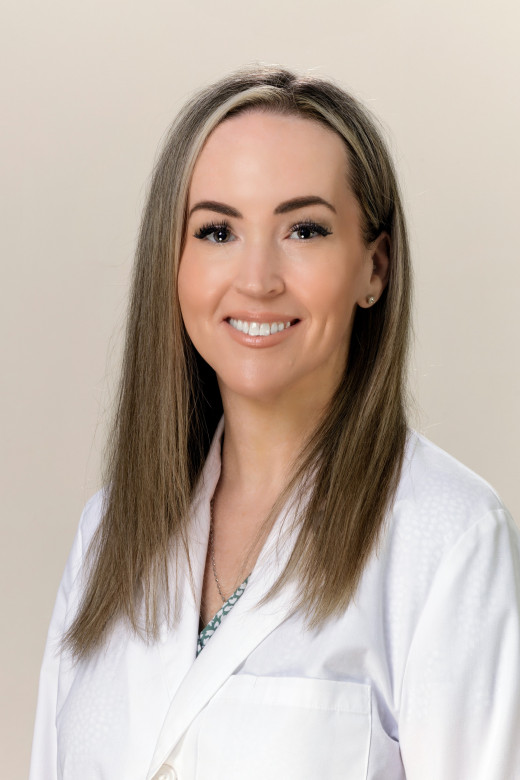
Miranda Alleman, ACNPC-AG
Cardiology
View Info
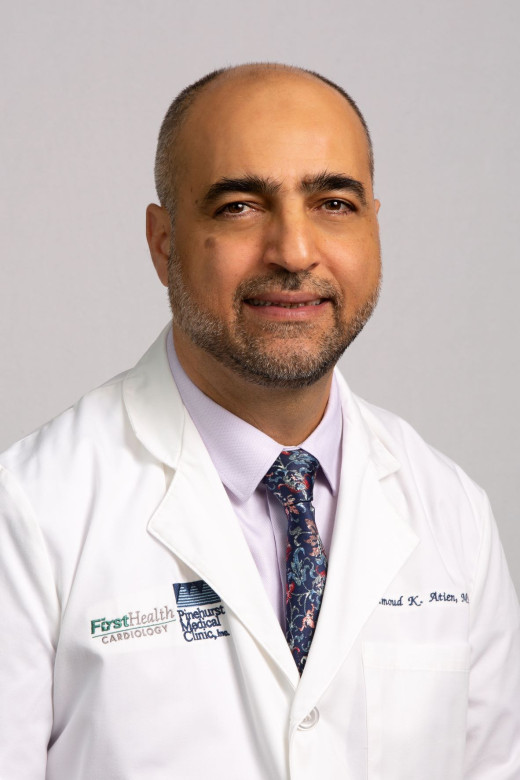
Mahmoud K. Atieh, MD
Cardiology
View Info
Aemonn Barnes, NP
Aemonn Barnes, NP
Cardiology
View Info
Heather Blackburn, DNP
Cardiology
View Info
Tiffany Bonnecaze, MD, FACC, FSCAI
Cardiology
View Info
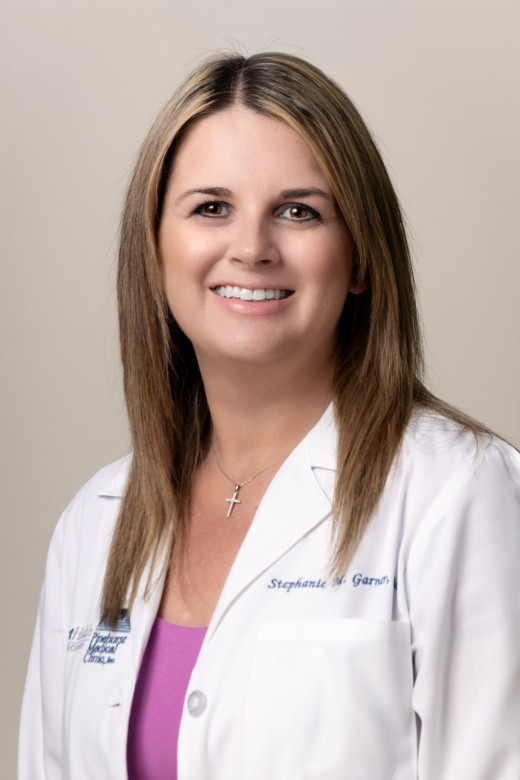
Stephanie M. Garner, FNP
Cardiology
View Info
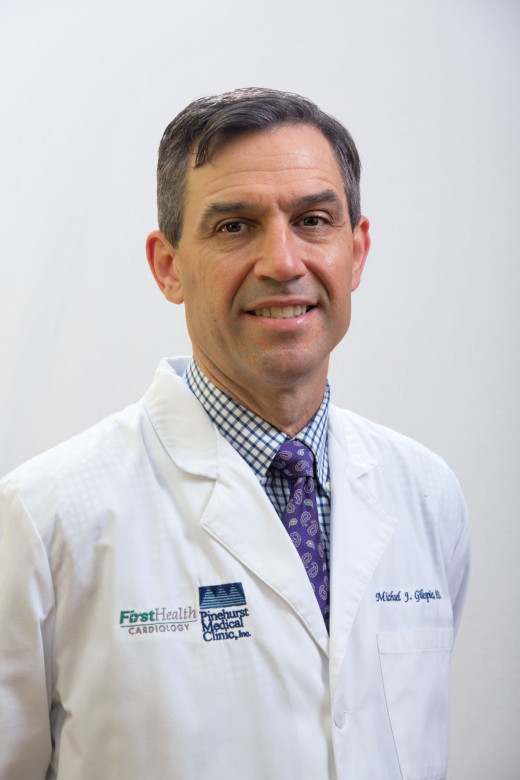
Michael Gillespie, MD, MPH
Cardiology
View Info
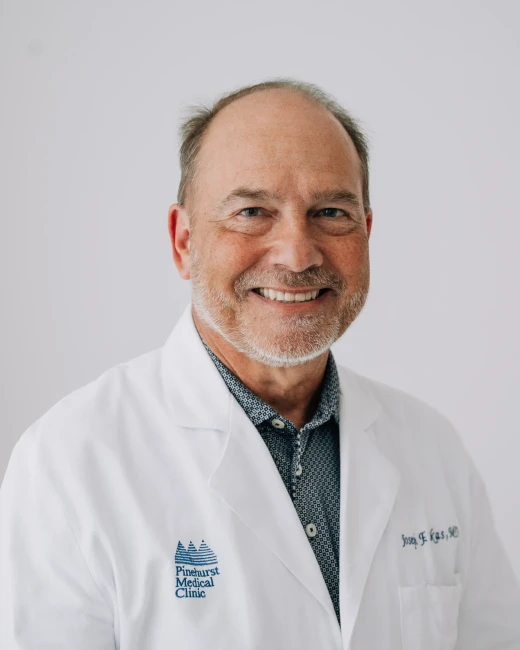
Joseph F. Hakas, Jr., MD, FACC
Cardiology
View Info
Melissa Hill, FNP-C
Melissa Hill, FNP-C
Cardiology
View Info
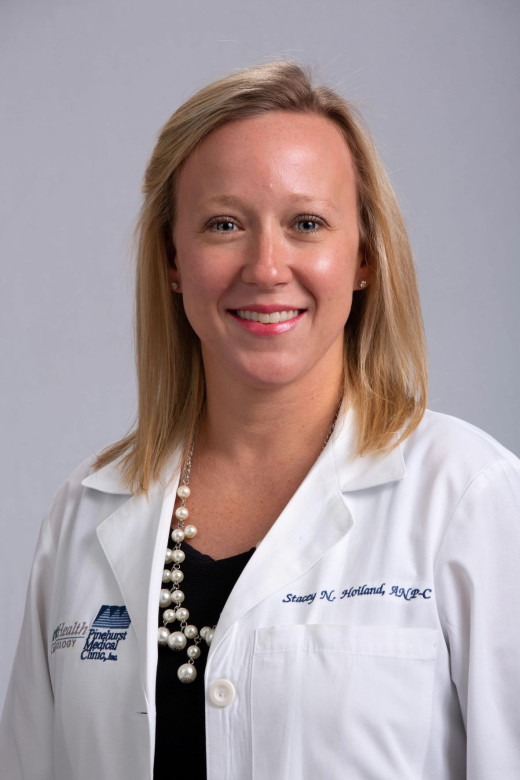
Stacey Hoiland, ANP
Stacey Hoiland, ANP
Cardiology
View Info
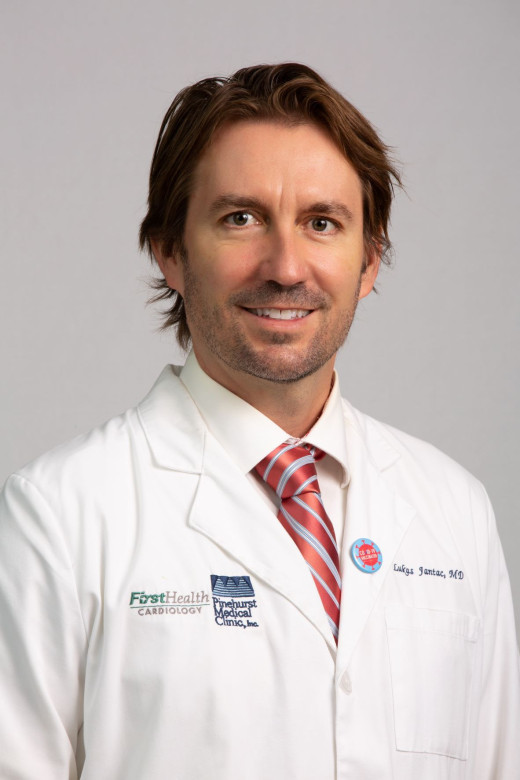
Lukas Jantac, MD
Lukas Jantac, MD
Cardiology
View Info
Jessica Jones, DNP, FNP-C, BSN
Cardiology
View Info
Steven M. Kent, MD, FACC
Cardiology
View Info
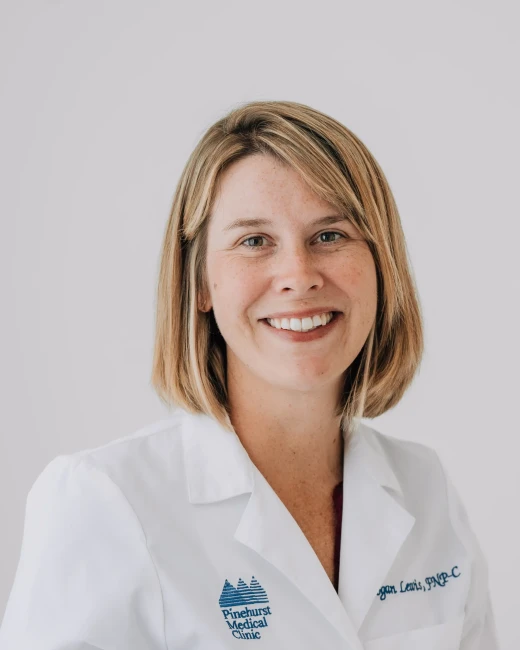
Logan M. Lewis, FNP
Logan M. Lewis, FNP
Cardiology
View Info
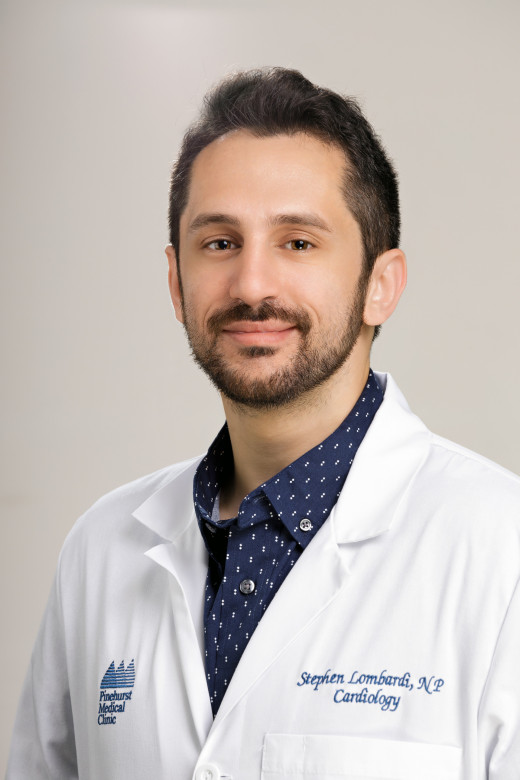
Stephen Lombardi, DNP
Cardiology
View Info
Lauren Malinowski, MSN, RN, FNP-BC
Cardiology
View Info
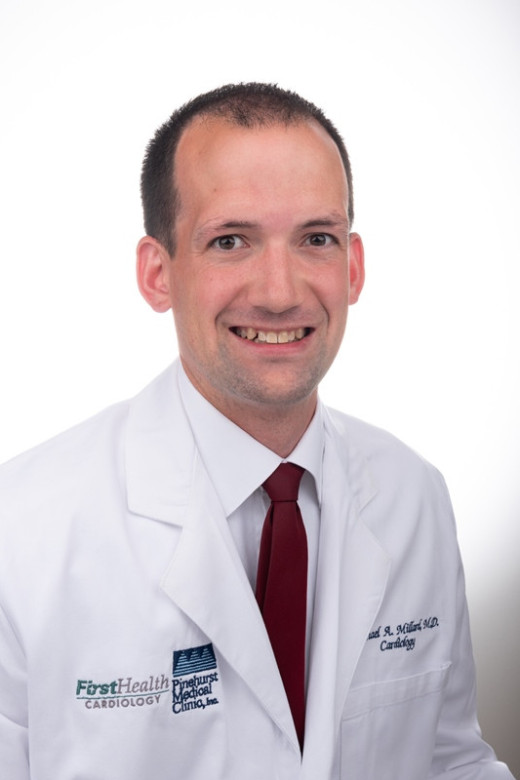
Michael Millard, MD, FACC
Cardiology
View Info
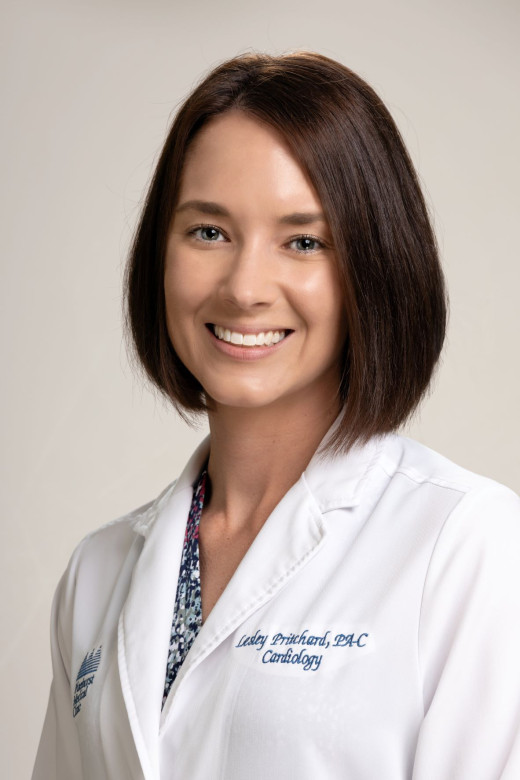
Lesley Pritchard, MPAS, PA-C
Cardiology
View Info
Patrick J. Simpson, MD, FACC
Cardiology
View Info

Cardiology Posts from Our News & Media Center

Feb
19
Heart Attack Symptoms:  Men vs Women

Heart Attack Symptoms: Men vs Women – What You Need to Know

Read More
Jan
30
Heart rhythm Pinehurst

You may have been told you don’t have the best rhythm; however, everyone has one form – in their hearts. Similar to moving to the beat of your favorite song, your heart might also have rhythm abnormalities. That’s where an electrophysiologist, like a dance teacher, can help get your rhythm back on track.

Read More

Aug
12
Is it time to close your PFO?

The foramen ovale is a hole between the top two chambers of the heart that creates a tunnel for blood to properly oxygenate while a baby is in the womb. After birth, this is no longer necessary and in about 75% of people, this tunnel closes within the first several months of life. The remaining 25% of people have a patent foramen ovale, which may go undetected throughout their life but may cause problems for some. 

Read More

Cardiology Frequently Asked Questions

What is cardiology?

Cardiology is a medical specialty focused on diagnosing, treating, and preventing heart diseases and conditions. Cardiologists are specialists trained to manage heart health, including issues related to the heart muscle, valves, arteries, and overall circulatory system.

What conditions does a cardiologist treat?

Cardiologists treat a wide range of heart-related conditions, including:

  • Coronary artery disease (CAD)
  • Heart failure Arrhythmias (irregular heart rhythms)
  • Heart valve problems (e.g., valve stenosis or regurgitation)
  • High blood pressure (hypertension)
  • High cholesterol (hyperlipidemia)
  • Congenital heart defects
  • Peripheral artery disease (PAD)
  • Stroke and risk of stroke
What cardiology treatments and services are available?

We offer a comprehensive range of cardiology services, including but not limited to:

  • Diagnostic Services: ECG (electrocardiogram), echocardiograms, stress tests, Holter monitoring, cardiac MRI, and CT angiography.
  • Non-invasive Treatments: Lifestyle counseling, medication management, and heart rehabilitation programs.
  • Invasive Procedures: Coronary angioplasty, stent placement, heart valve repair or replacement, pacemaker implantation, and electrophysiology procedures for arrhythmia management.
  • Cardiac Surgery: Bypass surgery, heart transplant, and other advanced surgical interventions for severe heart conditions.
What are the signs that I need to see a cardiologist?

You should consult a cardiologist if you experience symptoms like:

  • Chest pain or discomfort
  • Shortness of breath, especially with physical activity
  • Irregular or rapid heartbeat
  • Dizziness or fainting spells
  • Swelling in your legs, ankles, or abdomen
  • Fatigue or weakness with physical exertion
  • Family history of heart disease

Even if you're not experiencing symptoms but have risk factors such as high blood pressure, diabetes, high cholesterol, or a family history of heart disease, regular screenings with a cardiologist can help manage your heart health.

What is a stress test, and when do I need one?

A stress test, also known as an exercise treadmill test, evaluates how your heart responds to physical activity. It's typically recommended if you're experiencing chest pain, shortness of breath, or irregular heartbeats. The test can help diagnose coronary artery disease, assess heart function after a heart attack, or evaluate your fitness level for surgery.

What is an echocardiogram, and how does it work?

An echocardiogram is a non-invasive test that uses sound waves (ultrasound) to create detailed images of your heart's structure and function. It helps detect conditions such as heart valve disease, heart failure, congenital heart defects, and blood clots within the heart. The test is painless and typically takes 30-60 minutes.

What is heart disease prevention?

Preventing heart disease involves adopting a healthy lifestyle, such as:

  • Eating a balanced, heart-healthy diet
  • Maintaining a healthy weight
  • Exercising regularly
  • Managing stress
  • Avoiding smoking and excessive alcohol consumption
  • Controlling chronic conditions like hypertension, diabetes, and high cholesterol

Our cardiologists can provide personalized prevention strategies based on your individual risk factors and health status.

What should I expect during a consultation with a cardiologist?

During your first visit, your cardiologist will take a detailed medical history, conduct a physical exam, and may recommend diagnostic tests. Be prepared to discuss any symptoms you’ve been experiencing, your lifestyle habits, and any family history of heart disease. Based on the findings, your cardiologist will develop a personalized treatment or management plan.