

Endocrinology

Endocrinology Services at Pinehurst Medical Clinic: Expert Care for Hormonal Health

  Find a Endocrinology Provider

PMC Endocrinology

Endocrinology Care

Pinehurst Medical Clinic provides comprehensive endocrinology care for patients across the Sandhills of North Carolina, specializing in the diagnosis and management of diabetes, thyroid disease, hormonal imbalances, and complex endocrine disorders. Our experienced endocrinologists use advanced, on-site diagnostic tools and evidence-based treatments to deliver personalized care focused on long-term health and improved quality of life.

With a strong emphasis on diabetes care—including both Type 1 and Type 2 diabetes—our team works closely with PMC Wellness programs and local healthcare resources to ensure coordinated, convenient care close to home. From routine evaluations and advanced diagnostic testing to long-term disease management, our endocrinology specialists collaborate with your primary care provider to deliver seamless, patient-centered care you can trust.


Endocrinology Conditions & Disorders

Our endocrinologists diagnose and manage a wide range of conditions affecting the body’s hormone-producing glands and metabolic systems.

Adrenal Disorders

  • Adrenal Insufficiency (Addison’s Disease)
  • Cushing’s Disease
  • Pheochromocytoma
  • Primary Hyperaldosteronism (Conn’s Syndrome)
  • Adrenal Cancer
  • Adrenal Incidentaloma

Bone & Calcium Disorders

  • Osteoporosis
  • Osteopenia
  • Osteomalacia
  • Paget’s Disease
  • Hypercalcemia (high calcium levels)
  • Hypocalcemia (low calcium levels)

Thyroid Disorders

  • Hyperthyroidism (including Graves’ Disease)
  • Hypothyroidism (including Hashimoto’s Thyroiditis)
  • Goiter
  • Thyroid Nodules
  • Thyroid Cancer
  • Thyroiditis

Parathyroid Disorders

  • Hyperparathyroidism
  • Hypoparathyroidism
  • Pseudohypoparathyroidism
  • Parathyroid Cancer

Pituitary Disorders

  • Pituitary Tumors
  • Hyperprolactinemia (elevated prolactin)
  • Galactorrhea (abnormal breast discharge)
  • Acromegaly (growth hormone excess)
  • Growth Hormone Deficiency
  • Hypopituitarism and Panhypopituitarism
  • Cushing’s Disease

Metabolic & Blood Sugar Disorders

  • Type 1 Diabetes
  • Type 2 Diabetes
  • Hypoglycemia (low blood sugar)
  • Metabolic Syndrome

Lipid (Cholesterol) Disorders

  • Hypercholesterolemia (high cholesterol)
  • Hypertriglyceridemia (high triglycerides)
  • Low HDL Cholesterol
  • Dyslipidemia

Reproductive & Sexual Hormone Disorders

Female Hormone Disorders:

  • Polycystic Ovarian Syndrome (PCOS)
  • Hirsutism (excess hair growth)
  • Androgen Excess

Male Hormone Disorders:

  • Hypogonadism (low testosterone)
  • Gynecomastia (enlarged breast tissue)

Our team is committed to delivering expert, compassionate care—helping patients effectively manage complex endocrine conditions and achieve better overall health.


Endocrinology Patient Resources


Endocrinology Care Providers

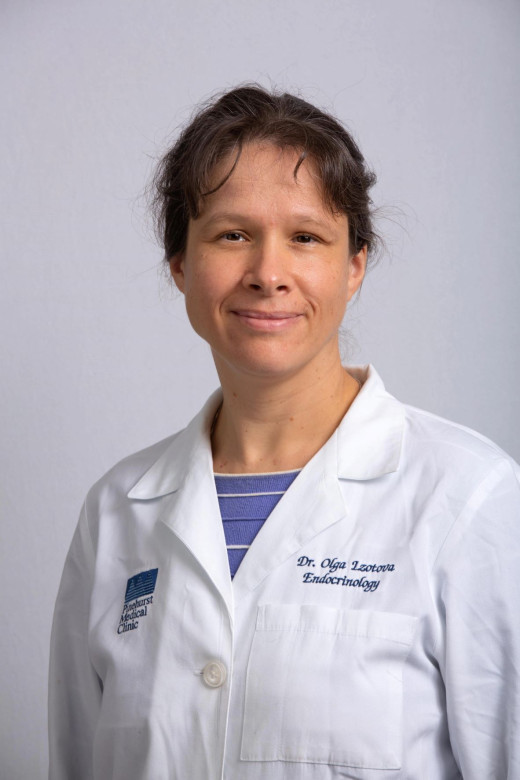
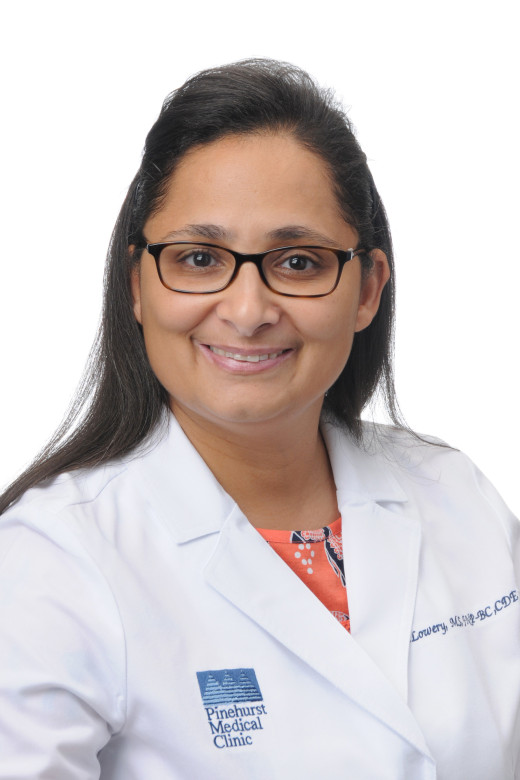
PMC's providers specialize in diagnosing, treating and caring for patients with various endocrine diseases.

Alex Bonnecaze, MD
Alex Bonnecaze, MD
Endocrinology and Medical Weight Management
View Info
Christine Brock, MSN, APRN, FNP-C
Endocrinology
View Info
Madison Cobb, DNP, FNP-C
Endocrinology
View Info
Olga Izotova, MD
Olga Izotova, MD
Endocrinology
View Info
Gail Lowery, MS, FNP-BC, CDCES
Endocrinology
View Info
Brooks Mays, MD, FACE
Endocrinology
View Info
Debra Parsons, NP
Debra Parsons, NP
Endocrinology
View Info

Endocrinology Frequently Asked Questions

What is Endocrinology and How Does It Relate to My Health?

Endocrinology is the branch of medicine that focuses on diagnosing and treating disorders related to hormones and glands, including the thyroid, pancreas, adrenal glands, and pituitary gland. These hormones regulate many essential functions in your body, such as metabolism, growth, and reproduction. Conditions like diabetes, thyroid imbalances, and osteoporosis are commonly treated by endocrinologists.

At Pinehurst Medical Center, our endocrinology specialists provide personalized care to help you manage these complex conditions and improve your overall health.

What Conditions Does an Endocrinologist Treat?

Our team of endocrinologists at Pinehurst Medical Center treats a wide variety of hormonal and metabolic disorders, including:

  • Diabetes (Type 1, Type 2, and gestational)
  • Thyroid disorders (Hypothyroidism, hyperthyroidism, and thyroid nodules)
  • Osteoporosis and bone health
  • Adrenal disorders (Addison's disease, Cushing's syndrome)
  • Pituitary disorders
  • Polycystic ovary syndrome (PCOS)
  • Obesity and metabolic syndrome
  • Infertility and hormonal imbalances
  • Hypogonadism and sexual health issues

Whether you have a new diagnosis or need ongoing management, our endocrinology team is here to help you navigate your condition with expert care.

How Can I Benefit from Seeing an Endocrinologist?

Visiting an endocrinologist can help you manage chronic conditions like diabetes or thyroid disease, as well as prevent complications such as heart disease, kidney problems, and nerve damage. Endocrinologists provide comprehensive care, focusing on both short-term relief and long-term wellness. Through personalized treatment plans, we aim to restore hormonal balance, improve your quality of life, and help you prevent further health complications.

What Happens During My First Endocrinology Appointment?

During your first visit to Pinehurst Medical Center’s endocrinology department, you will have an initial consultation with one of our specialists. This will involve:

  • A thorough medical history review
  • A physical examination
  • Blood tests or other diagnostic tests (e.g., thyroid function tests, glucose testing, or hormone levels)
  • Discussion of your symptoms, lifestyle, and health goals

Based on this information, your endocrinologist will develop a personalized treatment plan to address your specific needs and health concerns.

What Types of Tests Are Used to Diagnose Endocrine Disorders?

To diagnose endocrine disorders, our specialists may use a variety of tests, including:

  • Blood tests to check hormone levels (e.g., thyroid hormones, insulin, cortisol)
  • Ultrasound to detect thyroid nodules or adrenal gland abnormalities
  • CT scans or MRIs for imaging of the pituitary or adrenal glands
  • Glucose tolerance tests for diagnosing diabetes or prediabetes
  • Bone density scans to evaluate for osteoporosis

These tests help our endocrinologists accurately diagnose your condition and tailor treatment plans accordingly.

How Are Diabetes and Thyroid Disorders Treated?

Diabetes Treatment:

  • Lifestyle changes (healthy diet, exercise)
  • Oral medications to control blood sugar
  • Insulin therapy (for Type 1 or Type 2 diabetes)
  • Continuous glucose monitoring to track blood sugar levels

Thyroid Disorder Treatment:

  • Medications like levothyroxine for hypothyroidism or antithyroid drugs for hyperthyroidism
  • Radioactive iodine therapy for thyroid problems
  • Surgical removal of thyroid nodules or cancer (in certain cases)

Our endocrinologists provide personalized care to help manage your condition effectively, with ongoing follow-ups to ensure your treatment is working.

Are There Specific Diet or Lifestyle Changes I Need to Make for Endocrine Health?

Yes, lifestyle modifications play a significant role in managing endocrine disorders, especially conditions like diabetes, thyroid disease, and obesity. Our specialists may recommend:

  • A balanced diet rich in fruits, vegetables, lean proteins, and whole grains
  • Exercise to manage weight, improve insulin sensitivity, and boost overall health
  • Stress management techniques to help regulate hormones like cortisol
  • Regular monitoring of blood sugar, thyroid levels, or other vital markers

Our team provides tailored guidance to help you make these changes and improve your long-term health.

Can Endocrine Disorders Affect My Heart Health?

Yes, some endocrine disorders can have a direct impact on heart health. For example:

  • Diabetes increases the risk of heart disease, stroke, and high blood pressure.
  • Thyroid imbalances (both hyperthyroidism and hypothyroidism) can affect cholesterol levels, blood pressure, and overall heart function.
  • Adrenal disorders, like Cushing’s syndrome, can lead to high blood pressure and increased risk of cardiovascular disease.

Our endocrinologists collaborate closely with cardiologists to ensure that your hormonal health is managed to reduce any potential risk to your heart.

How Do I Know if I Need to See an Endocrinologist?

If you are experiencing symptoms such as unexplained weight changes, fatigue, hair loss, changes in skin or nails, excessive thirst, or difficulty managing your blood sugar, it may be time to consult an endocrinologist. Additionally, if you have a family history of diabetes, thyroid disease, or other hormonal conditions, you may benefit from preventive care and monitoring.

Contact Pinehurst Medical Center to schedule an appointment with our experienced endocrinology team for an evaluation.